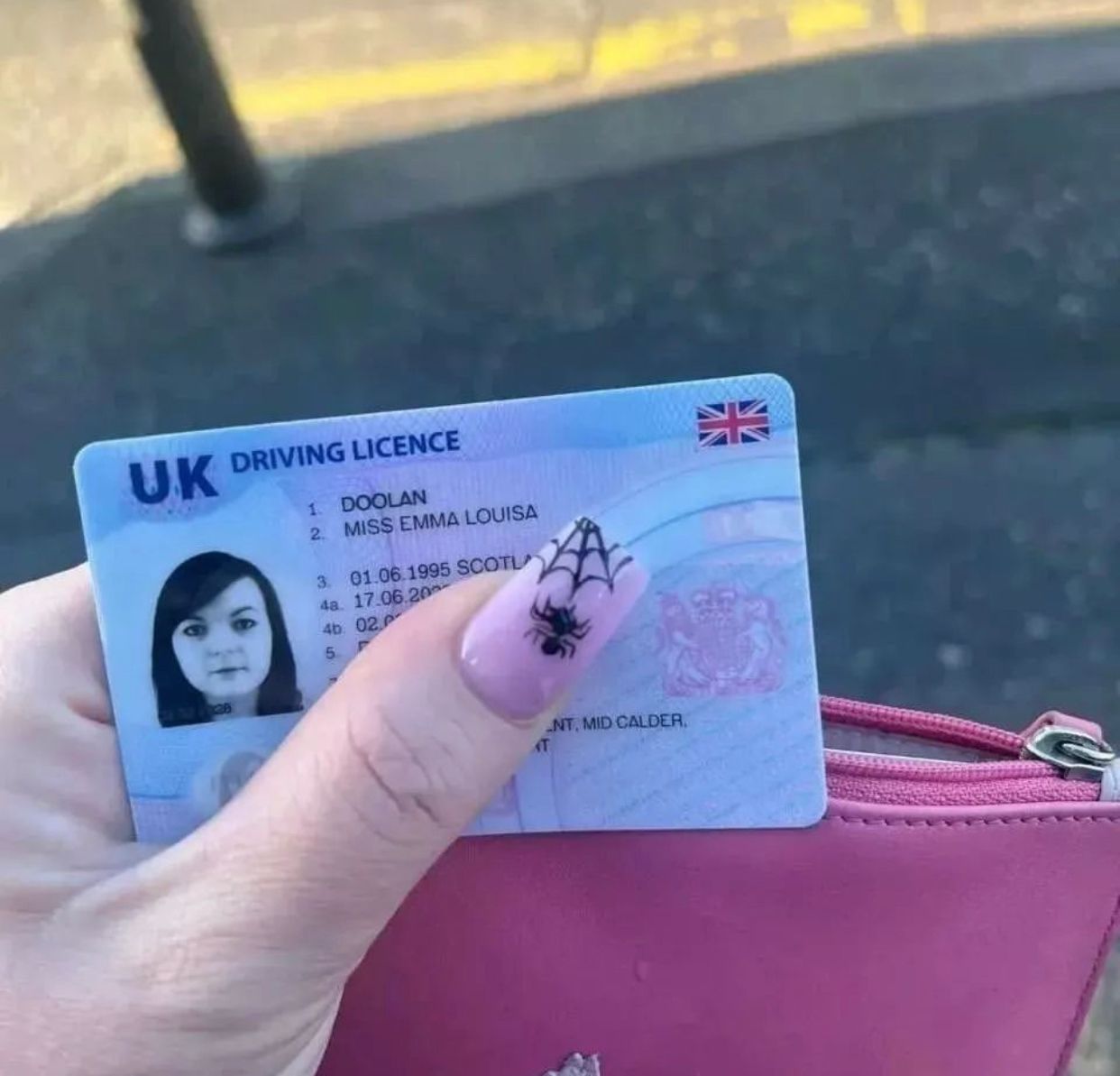
Understanding the UK Driver Licence: A Comprehensive Guide
In the busy world we reside in, being an accountable and competent driver is important. The UK driver licence is a necessary document that not only permits people to drive legally, but also functions as a kind of identification and a testimony to one's driving competency. This blog post explores the key aspects of acquiring and preserving a driver licence in the UK, the various types offered, and answers some often asked concerns.
Types of UK Driver Licences
The UK driver licence is available in various categories tailored to various vehicle types. Comprehending these classifications is necessary, whether you are a new driver or considering updating your licence. UK Driving License following table details the primary kinds of driver licences offered in the UK.
| Licence Category | Cars Permitted |
|---|---|
| Classification A | Motorbikes (numerous engine sizes) |
| Category B | Cars (up to 3.5 tonnes) |
| Category C | Big goods automobiles (over 3.5 tonnes) |
| Category D | Buses and minibuses |
| Category E | Trailers (when combined with another car) |
Additional Categories
In addition to the primary classifications, a number of subcategories exist. Here are some of them noted below:
- Category A1: Motorcycles approximately 125cc
- Category B1: Three-wheeled vehicles with an optimum weight of as much as 450 kg (unladen)
- Category C1: Medium-sized automobiles (in between 3.5 and 7.5 tonnes)
- Category D1: Minibuses (with as much as 16 traveler seats)
The Process of Obtaining a UK Driver Licence
Action 1: Provisional Licence
To begin the journey of acquiring a driver licence, one need to first apply for a provisional licence. The requirements for this step consist of:
- Being at least 17 years old (16 years for motorcycles).
- A legitimate form of identification, such as a passport.
- Passing an eye test.
Step 2: Learning to Drive
As soon as you have your provisionary licence, the next step is to learn to drive, normally with the help of a qualified trainer. It's recommended to consider:
- Driving Lessons: Enrolling in a driving school can offer a more structured technique to learning.
- Practice: Gaining experience by practicing with a competent sponsor who has held a full UK licence for at least three years.
Action 3: The Theory Test
Before taking the practical driving test, you need to pass the theory test. This includes 2 parts:
- Multiple Choice Questions: Test your understanding of driving guidelines and road indications.
- Danger Perception Test: Assess your ability to recognize possible dangers on the road.
Step 4: The Practical Test
After successfully passing your theory test, you can book and take the practical driving test. Crucial element of the test include:
- Performing different driving manoeuvres.
- Demonstrating your capability to drive safely and with confidence in numerous roadway conditions.
Step 5: Full Driver Licence
When you complete the dry run successfully, you will obtain your complete driver licence. Full licences are provided as a card and will mention the automobile classifications you are entitled to drive.
Restoring and Maintaining Your Driver Licence
Renewing your driver licence is needed to guarantee it remains legitimate. Here are specific standards:
- Expiry Date: Check the expiry date on your licence; most licences are legitimate for 10 years.
- Updating Personal Information: If you change your name or address, you should update your licence online or through your regional post workplace.
Additional Considerations
Driving is not almost having a licence; preserving safety is of utmost importance. Here are some tips:
- Road Safety: Always comply with roadway safety rules and regulations.
- Insurance: Ensure you have appropriate insurance coverage.
- Lorry Maintenance: Regularly service your lorry to guarantee roadworthiness.
Typical FAQs About the UK Driver Licence
What files do I require to look for a provisional licence?
To apply for a provisionary licence, you'll need:
- A passport-sized photo.
- Evidence of identity (typically a passport).
- A address history for the last 3 years.
- Payment for the application fee.
Just how much does it cost to obtain a UK driver licence?
- Provisional licence: Approximately ₤ 34.
- Theory test: Approximately ₤ 23.
- Practical test: Approximately ₤ 62 (or ₤ 75 for tests on weekends and bank holidays).
- Extra expenses may consist of driving lessons, which differ.
Can I drive with a provisional licence?
Yes, you can drive with a provisional licence in the UK but must be accompanied by a certified driver who is over 21 years of ages and has held a full driver licence for a minimum of 3 years.
How long does it require to get a complete driver licence?
The time it takes mostly depends upon individual preparedness for the tests, scheduling availability, and individual situations but can vary from a few months to over a year.
Getting a UK driver licence is an essential turning point for many people, providing not just the flexibility to drive, however also the obligation that features it. From requesting a provisional licence to maintaining a full licence, understanding each step guarantees the journey is smooth and educated. By adhering to security guidelines and keeping knowledge approximately date, drivers contribute to a much safer road environment.
Whether you are a brand-new driver or somebody looking to revitalize your knowledge, understanding the UK driver licence procedure is critical to ending up being a competent roadway user.